
Introduction
As we advance further into the digital age, the landscape of software development is continually evolving, driven by emerging technologies and global demands. In this introduction, we will explore the current trends in programming languages that are shaping the future of software development. Recognizing the benefits of adopting the right tools is crucial for developers looking to stay competitive in the ever-changing industry.
By 2026, several programming languages are predicted to gain significant traction, each offering unique advantages for various types of software applications. This discussion aims to provide a comprehensive overview of the recommended programming languages, highlighting their applications, performance, and the role they will likely play in the future.
As we delve into this topic, we will outline key trends, and the implications these programming languages may have on development processes, project outcomes, and team collaboration. Additionally, we will touch on the importance of being adaptable to stay ahead in the competitive landscape of software development. For more on anthropic launches claude opus, see here.
Comparison table
Current Landscape of Programming Languages
The current landscape of programming languages is marked by a dynamic evolution, reflecting the diverse needs of software development today. With a plethora of languages available, each designed with specific features, the selection can often appear daunting for developers. However, understanding emerging trends can provide clarity on which languages are likely to dominate in the coming years.
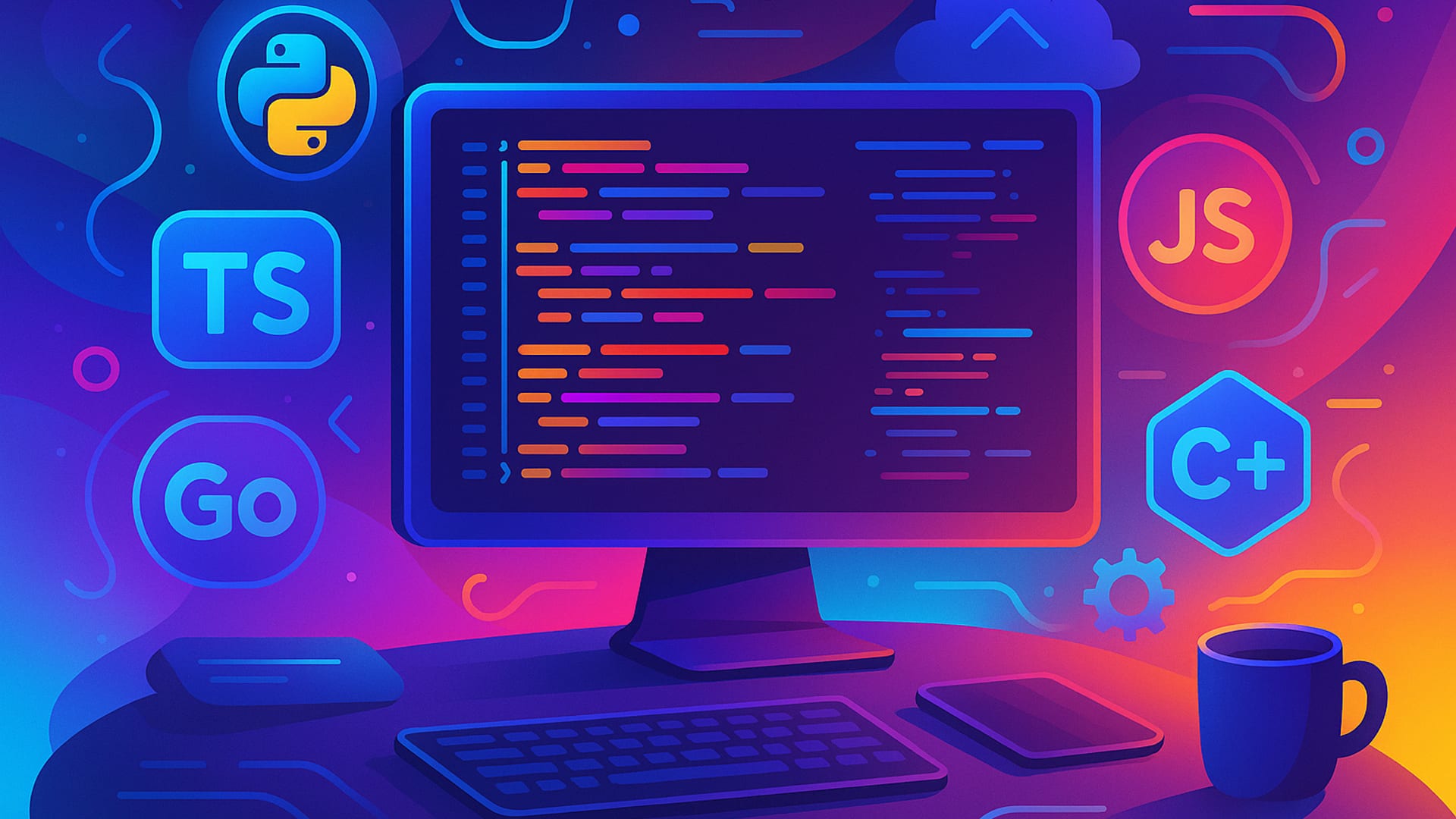
As we look toward 2026, several key programming languages are recommended for their versatility, efficiency, and robustness. These languages not only address current demands but also adapt to the rapid technological advancements shaping the software industry. Here are some of the leading candidates:
- Python: Known for its readability and extensive libraries, Python continues to be favored for data science, machine learning, and web development.
- JavaScript: As a cornerstone of front-end development, JavaScript remains essential for creating interactive web applications.
- Go: This language is gaining traction due to its simplicity and performance, particularly in cloud-based services and microservices.
- Rust: With a focus on memory safety and performance, Rust is attracting developers interested in systems programming and secure applications.
Emerging programming languages, such as Kotlin and Swift, also merit attention, especially in mobile application development. These languages offer modern syntax and features that streamline the coding process, appealing to both new and experienced developers.
The benefits of staying updated with these trends are significant. Choosing the right programming languages can lead to improved productivity, better performance of applications, and the ability to leverage new technologies as they arise. By focusing on the latest recommended languages, developers can ensure their skills remain relevant and competitive in the ever-evolving software development landscape.
Emerging Trends in Software Development
As we look forward to 2026, the software development field is witnessing several emerging trends that are reshaping the programming landscape. These trends are influenced by advancements in technology, shifts in market demands, and the evolving preferences of developers.
One significant trend is the increasing popularity of low-code and no-code platforms. These tools enable developers and non-developers alike to create applications with minimal hand-coding, significantly speeding up the development process and reducing barriers to entry. Organizations are adopting these platforms to rapidly prototype ideas and respond to changing market needs.
Another key trend is the growing emphasis on artificial intelligence (AI) and machine learning (ML) integration within software applications. Developers are not only focusing on traditional programming languages but are also adopting languages like Python and R, which are favored for their capabilities in data science and AI applications. The demand for AI-driven applications is pushing developers to incorporate machine learning frameworks, enhancing software functionality and interactivity.
Furthermore, the use of microservices architecture continues to gain traction. This approach allows software development teams to build applications as a suite of independent, modular services, which can be developed, deployed, and scaled individually. Consequently, programming languages that support this architecture, such as Go and Node.js, are becoming increasingly recommended for modern software projects.
Lastly, the adoption of DevOps practices is becoming more prevalent, promoting a culture of collaboration between development and operations teams. This trend encourages the use of automation tools, improving the efficiency of software development cycles. Languages that simplify automation, such as Ruby and Python, are seeing increased usage as teams seek to streamline workflows and enhance productivity.
In summary, the software development landscape is evolving rapidly toward more flexible, efficient, and powerful methodologies. Developers are encouraged to stay updated with these emerging trends and consider integrating modern programming languages and practices into their projects to realize significant benefits by 2026.
Top Recommended Programming Languages for 2026
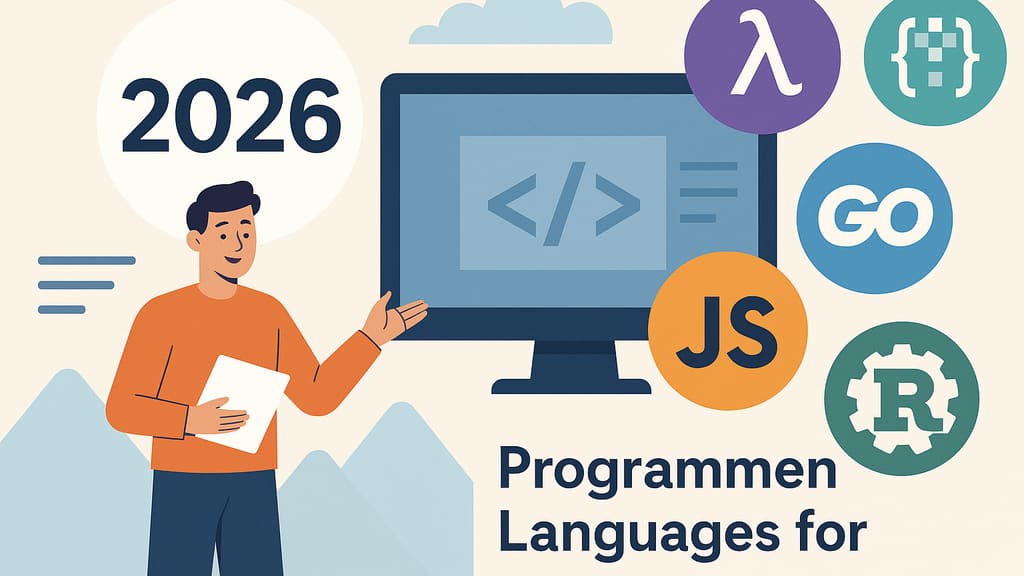
As we look ahead to 2026, the programming language landscape continues to evolve, reflecting the rapidly changing needs of software development and emerging technology trends. The following programming languages come highly recommended for their unique benefits and adaptability to current and future software projects.
- Python: Known for its simplicity and versatility, Python remains a top choice for data science, machine learning, and web development. Its vast library ecosystem facilitates rapid development and innovation.
- JavaScript: As the backbone of web development, JavaScript is essential for building interactive and dynamic user interfaces. Its frameworks like React and Angular are expected to dominate the front-end scene well into 2026.
- Rust: Rust is gaining traction for its focus on safety and performance. Ideal for system-level programming, its unique features make it a strong candidate for applications requiring high efficiency.
- Go: Known for its concurrency features, Go is perfect for cloud computing and microservices architecture. Its simplicity and efficiency make it a favorite among developers building scalable applications.
- TypeScript: As a superset of JavaScript, TypeScript enhances code quality through static typing, making it popular for large-scale applications. Its integration with modern frameworks will continue to grow in importance.
In summary, the recommended programming languages for 2026 each bring specific advantages suited to address the persistent and emergent challenges in software development, allowing developers to harness their full potential in an ever-evolving technological landscape.
Benefits of Adopting Modern Languages
Adopting modern programming languages in the evolving landscape of software development presents several significant benefits that can enhance productivity, maintainability, and overall project success. As organizations look towards 2026, understanding these advantages is crucial for staying competitive in the market.
- Increased Productivity: Modern programming languages are often designed with developer efficiency in mind, offering features that streamline coding processes and reduce the time needed to format and structure code.
- Enhanced Performance: Many of the recommended languages for 2026 leverage advanced features that optimize performance, allowing for faster execution times and better resource management.
- Better Support for Emerging Trends: Languages that are gaining traction in 2026 typically excel in supporting emerging trends such as artificial intelligence, machine learning, and cloud computing, making them essential for future-focused development projects.
- Robust Community and Resources: The adoption of modern languages often comes with a vibrant community that provides a wealth of libraries, frameworks, and tools, making it easier to find support and solutions to common problems.
- Improved Code Maintainability: Many contemporary programming languages emphasize readability and maintainability, which leads to lower technical debt and easier onboarding for new developers.
- Cross-platform Compatibility: Modern languages commonly offer enhanced compatibility across multiple platforms, facilitating the development of applications that function seamlessly across devices and operating systems.
As businesses aim for innovation and efficiency, the benefits of adopting modern programming languages will not only prepare them for the challenges of 2026 but also foster a culture of continuous improvement within their development teams.
Challenges in Transitioning to New Languages
The journey of transitioning to new programming languages is fraught with challenges that software developers must navigate to stay relevant in an evolving landscape. As the tech industry adapts to emerging trends, understanding these challenges is critical for ensuring a smooth transition to recommended programming languages for 2026.
- Skill Gap: A significant hurdle is the gap in current skill sets. Developers may have extensive experience in legacy languages, making it difficult to acquire proficiency in modern options. Continuous learning and training are essential for overcoming this barrier.
- Integration Issues: New languages may not always integrate seamlessly with existing systems or frameworks. Ensuring compatibility between old and new technologies can require considerable effort and resources.
- Project Timelines: Adopting new programming languages often necessitates additional time for development teams to familiarize themselves with unfamiliar syntax and best practices. This extension in timelines can impact project delivery schedules.
- Community and Support: Depending on the emerging language, the availability of a robust support community can vary. A lack of resources, libraries, or documentation can pose challenges when encountering obstacles during development.
- Resistance to Change: Organizational culture can also be a barrier. Developers and management might resist switching languages due to fear of the unknown or skepticism about the benefits, complicating the transition process.
Despite these challenges, the potential benefits of adopting new programming languages, as detailed in previous sections, can significantly outweigh the difficulties. Prioritizing effective strategies to address these challenges is critical for developers looking to thrive in the competitive software development sector of 2026.
Regulatory Considerations for Programming Languages
As organizations increasingly adopt modern programming languages in their software development processes, understanding the regulatory landscape becomes crucial. Regulatory considerations can significantly impact how companies select and implement these languages, particularly in industries where compliance is essential.
Introduction to Regulatory Frameworks
In the current climate, several regulatory frameworks apply to software development practices. These frameworks vary by industry and can dictate everything from data security standards to code integrity requirements. This section aims to provide insights on how emerging trends in programming languages align with these regulations.
Current Regulatory Trends Affecting Programming Languages
The regulatory environment is evolving, with an increased emphasis on software reliability, transparency, and security. Key regulations that may impact programming language selection include:
- GDPR for data protection in software handling personal information.
- SOX for financial software compliance.
- HIPAA in healthcare applications regarding patient data security.
Benefits of Considering Regulations in Language Selection
Adopting programming languages that integrate with existing regulatory requirements can yield significant benefits for organizations.
- Enhanced Security: Certain languages, such as Rust, offer built-in memory safety features that can help mitigate vulnerabilities.
- Compliance Readiness: Languages that are designed to be compliant with standards can streamline audits and regulatory reviews.
- Future-Proofing: Staying updated with languages aligned to regulatory changes can prepare companies for shifts in compliance requirements as we head towards 2026.
Recommended Practices for Language Adoption
Organizations are encouraged to adopt a proactive stance regarding regulatory considerations in their programming language choices. Some recommended practices include:
- Conducting regular compliance audits of programming languages and tools used.
- Staying informed about industry-specific regulatory changes.
- Engaging legal and compliance teams in the language selection process.
Looking Ahead to 2026
The programming languages landscape will continue to evolve, driven by both technological advancement and regulatory demands. By 2026, it is expected that frameworks will become even more stringent, requiring developers to be adaptable and vigilant. Keeping compliance at the forefront of programming language selection can enhance project success and organizational integrity.
Future Outlook for Programming Languages
The future outlook for programming languages in the software development industry appears dynamic and promising as we approach 2026. With rapid technological advancements and shifting market needs, the programming landscape is set to evolve significantly.
Several emerging trends are shaping the way developers choose and utilize programming languages. The continuing rise of artificial intelligence (AI) and machine learning (ML) is expected to further drive the adoption of languages that are particularly adept at handling large datasets and complex algorithms. Python, for instance, has become increasingly popular due to its user-friendly syntax and extensive libraries dedicated to data science and AI applications.
Another trend to watch is the growing emphasis on cross-platform development. As businesses strive to maintain a strong presence across various devices, programming languages that support seamless integration and functionality across different platforms are likely to gain traction. Languages like JavaScript, with its frameworks such as React and Angular, will remain central to this approach.
Recommended programming languages for 2026 include a mix of established favorites and up-and-coming contenders:
- Python: Continues to dominate due to its versatility and extensive support for data-related tasks.
- JavaScript: Remains essential for web development and cross-platform solutions.
- Rust: Gaining popularity for its performance and safety features, especially in systems programming.
- Go: Preferred for back-end services, known for efficiency and scalability.
- Kotlin: The recommended language for Android development, with advantages over Java.
The benefits of adopting these modern programming languages are manifold. They often lead to improved productivity, enhanced collaboration, and reduced maintenance costs. Furthermore, their communities provide robust support and resources, which can be particularly beneficial for teams transitioning to new technologies.
To navigate this rapidly changing landscape, developers and organizations must remain informed about emerging technologies and continuously evaluate their software development processes. By aligning with these trends and adopting recommended languages, they can position themselves advantageously in the competitive software market of 2026 and beyond.

FAQ
What programming languages are expected to be popular in 2026?
While it is difficult to predict the exact popularity of programming languages, trends suggest that languages like Python, JavaScript, and Rust will continue to be favored due to their versatility and strong community support. Additionally, newer languages such as Go and Kotlin may gain traction for specific applications, particularly in cloud computing and mobile development.
How can I choose the best programming language for my project in 2026?
Choosing the best programming language for a project in 2026 depends on several factors, including project requirements, team expertise, and long-term maintainability. Consider the performance needs, available libraries, and community support of the language. It’s also beneficial to analyze the current trends in the industry to ensure longevity and relevance.
What is the importance of learning new programming languages for software developers?
For software developers, learning new programming languages is crucial for staying relevant in a rapidly evolving tech landscape. New languages often introduce innovative features and paradigms that can improve efficiency and productivity. Furthermore, diversifying skills enhances employability and adaptability, enabling developers to tackle a variety of projects and challenges.
What are some common mistakes to avoid when selecting a programming language?
Common mistakes when selecting a programming language include focusing solely on personal familiarity instead of project needs, overlooking community support and documentation, and ignoring long-term viability. It’s also essential to avoid choosing a language based on fleeting trends, as this may lead to higher maintenance costs and difficulties in finding capable developers.
How do programming language costs vary in software development?
The costs associated with programming languages in software development can vary significantly based on several factors. These include licensing fees for proprietary languages, the cost of hiring developers proficient in specific languages, and the resources needed for training and development. Open-source languages can reduce initial costs, but consider aspects like support and community resources.
What should I consider for maintenance when choosing a programming language?
When considering maintenance for a programming language, examine factors such as community support, ease of updates, and the availability of skilled developers. A language with a robust community will typically offer better resources for troubleshooting and upgrades. Additionally, evaluate the language’s architecture to ensure it facilitates easy code management and scalability over time.
Conclusion
In conclusion, as we navigate the ever-evolving landscape of programming languages, it is clear that staying abreast of emerging trends is essential for software development professionals. The recommended programming languages for 2026 not only promise to enhance productivity but also offer substantial benefits in terms of performance, scalability, and community support.
Organizations and developers are encouraged to embrace these modern languages to remain competitive in a dynamic market. By adopting the right tools and practices now, stakeholders can position themselves to meet future challenges effectively.
As the software development community continues to evolve, the integration of these recommended languages will not only streamline development processes but also foster innovation and improve collaboration across diverse teams. Thus, proactively adapting to these changing trends is paramount for those looking to thrive in the future of programming.